See the work in context
Draw restoration boundaries, organize every monitoring point, and understand a whole site at a glance.
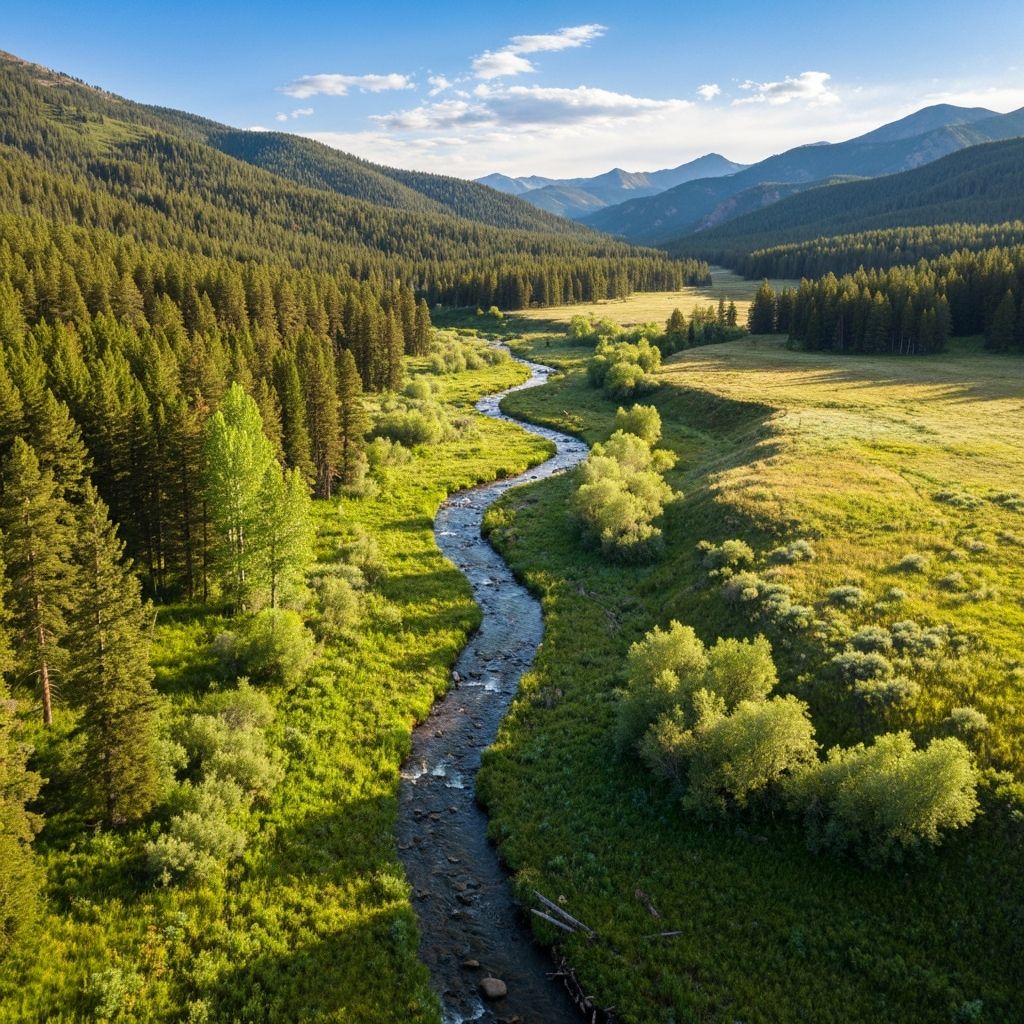
The field-to-funder workspace for teams bringing landscapes back to life. Map the work, plan site visits, record observations without a signal, and turn field evidence into clear reports.
Live restoration record
Native cover
68%
Plant survival
91%
24 observations logged
6 new photos, water sample due in 4 days.
A living record of the land
Made for the people
tending the whole picture
One clear field record
Reground replaces the patchwork of paper forms, spreadsheets, photo folders, and map exports with one working memory for your land.
Draw restoration boundaries, organize every monitoring point, and understand a whole site at a glance.
Record field observations without a signal. Notes, measurements, and photos save on your device and sync when you reconnect.
Repeat photo stations overlay the reference image on your camera, with GPS and compass guidance to help match the view on every visit.
Create clear, funder-ready reports without chasing scattered sheets, folders, and inboxes.
Beyond the signal
Offline observations & automatic sync
The next visit
Assigned tasks, due dates & recurring visits
Shared stewardship
Roles for every team
Offline observations, tasks, and team invites are included in every plan. Photo stations with camera alignment start with Professional; full audit logs and record history are included in Enterprise.
A field rhythm that holds together
Every observation belongs to a place, every place belongs to a project, and every project tells a clearer story over time.
Build the baseline
Set boundaries, ecosystem type, goals, and the starting condition of the land.
Plan the next visit
Register assets and monitoring sites, assign maintenance tasks, and set due dates for recurring visits.
Go to the field
Save observations and photos on your device without a signal. They sync automatically when your connection returns.
Make it meaningful
Follow signals over time and create reports that make progress clear.
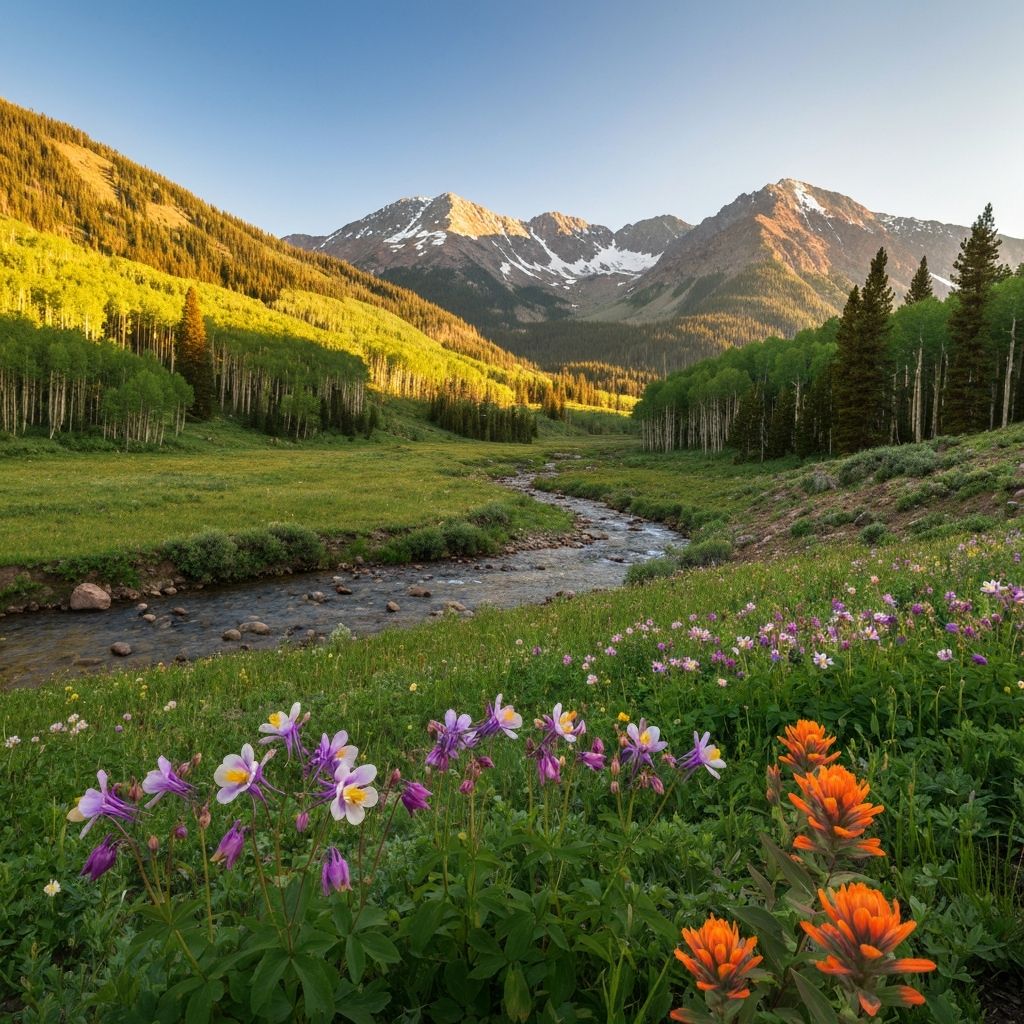
The real metric
Healthier land. More life. A future with roots.
Why we're here
Restoration work is patient, physical, and deeply place-specific. Its tools should respect that.
Reground was made for land trusts, watershed coalitions, conservation agencies, and the people who keep showing up for a landscape—season after season.
Field-first
Built around the evidence you collect outdoors.
Long-view
Designed for stewardship that unfolds over years.
Evidence, not busywork
A restoration story is stronger when its evidence is all in one place—and easier to understand when no one needs a data degree to read it.
Every field record stays connected to the place it happened.
Follow the signals that say whether recovery is taking hold.
Build a visual history that words and numbers alone cannot show.
Make good work visible to partners, funders, and communities.
Adaptable by nature
Start with a workspace that understands the backbone of restoration work, then make it your own for the field conditions you live with.

Simple, team-sized plans
Start with a 14-day free trial on any plan. No credit card required. Choose the tier that fits your organization and upgrade as you grow.
Every plan includes offline observations with automatic sync, maintenance tasks, recurring site visits, and team invites.
Up to 5 users
$149/mo
Up to 20 users
$499/mo
Unlimited users
$999/mo
Put the land back at the center
Start a 14-day trial, bring one project into focus, and see what a clearer record can do for your team.
14-day trial · No credit card required